Choosing the perfect gift is harder than it looks. You want something meaningful, something that shows thought, and something that will actually bring joy—not just sit on a shelf until the recipient forgets it exists. Birthdays, holidays, anniversaries, or even a “just because” moment can all come with that subtle pressure: Will this gift feel personal? Will they like it? Will it be remembered?
Here’s the good news: puzzles are quietly becoming the go-to gift for thoughtful, lasting impressions. Learning how to gift a puzzle can completely change your approach to gift-giving. A puzzle isn’t just an object—it’s an experience. It encourages focus, curiosity, relaxation, and even connection with others. In this article, we’ll show you how to gift a puzzle thoughtfully, why puzzles make such powerful gifts, and who they are best suited for, with actionable tips, research, real-life examples, and direct links to Puzzle.fr so you can find the perfect puzzle today.
Why Puzzles Are Such Meaningful Gifts
Before diving into practical steps, it’s worth understanding why puzzles stand out from typical gifts.
Puzzles Offer More Than a Momentary Experience
Most gifts are enjoyed briefly. A book might be read once, a gadget might be used for a week, but puzzles unfold slowly. Each session offers progress, satisfaction, and anticipation. Instead of just using the gift, the recipient spends time with it.
Psychologists call puzzles a form of “active leisure,” engaging the mind without overwhelming it. Research in Psychology Today shows that activities like puzzles help people enter a state of flow, reducing anxiety and boosting mood
When you gift a puzzle, you’re offering:
-
A break from screens and distractions
-
A sense of progress and accomplishment
-
A calming, focused activity
In other words, you’re giving a mental retreat in a box.
Puzzles Appeal Across Ages and Lifestyles
Another reason puzzles make fantastic gifts is their versatility. There’s a puzzle for nearly everyone, regardless of age, skill level, or lifestyle.
Puzzles are perfect for:
-
Children learning problem-solving skills
-
Adults seeking stress relief
-
Seniors maintaining cognitive sharpness
-
Couples or families wanting quality time together
Few gifts can adapt so seamlessly to so many audiences, making them a safe yet thoughtful choice.
How to Gift a Puzzle Thoughtfully
Knowing how to gift a puzzle isn’t just about picking any box from a shelf. The difference between a forgettable puzzle and a memorable one comes down to matching it to the person.
Step 1: Consider the Recipient First
Before you start searching, ask yourself:
-
Do they enjoy quiet activities or social ones?
-
Are they patient, or do they prefer quick wins?
-
Are they visual thinkers, logical problem-solvers, or hands-on creators?
-
How much time do they realistically have for a puzzle?
For instance, gifting a 2,000-piece puzzle to someone who barely has free time might overwhelm them—even if the image is beautiful. Instead, a medium-sized puzzle from Puzzle.fr could be more enjoyable and achievable.
Step 2: Choose the Right Type of Puzzle
Different types of puzzles appeal to different audiences. Here’s a breakdown:
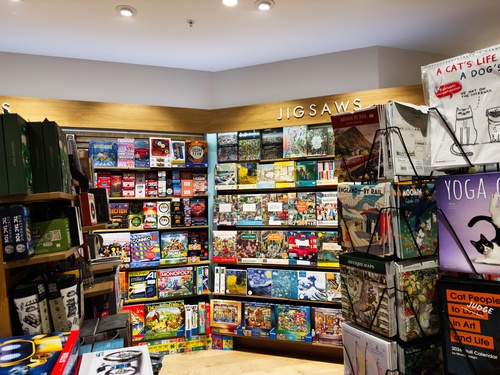
1. Jigsaw Puzzles
The most popular and versatile option, suitable for beginners and advanced puzzlers alike.
-
Why they work: Countless themes, scalable difficulty, suitable for solo or group play
-
Recommended piece counts:
-
100–300 pieces: beginners or children
-
500 pieces: casual puzzlers
-
1,000+ pieces: advanced puzzlers
-
Affiliate Tip: Check Puzzle.fr’s jigsaw selection to choose a puzzle that fits the recipient’s interest and skill level.
2. Wooden Puzzles
Durable, often handcrafted, and visually striking.
-
Best for: Design-conscious recipients, eco-friendly lifestyles, or tactile learners
-
Example: Wooden animal or art puzzles make unique and memorable gifts. You can explore these on Puzzle.fr.
3. 3D Puzzles
Add a construction element that engages visual and spatial skills.
-
Best for: Teens, architecture fans, and hands-on thinkers
-
Example: 3D cityscapes or globes provide hours of interactive entertainment. Available at Puzzle.fr.
4. Logic and Brain Teasers
Compact but mentally demanding, ideal for short bursts of focus.
-
Best for: Busy professionals, travelers, and STEM enthusiasts
-
Example: Puzzle cubes or mini brain teasers can be found here.
Step 3: Match the Puzzle to the Recipient
Matching the puzzle to the recipient ensures your gift feels intentional, not random.
Why You Should Gift a Puzzle (Backed by Research)
1. Puzzles Help Reduce Stress
A study from the University of Sussex found that focused activities like puzzles can reduce stress by up to 68%
In practice: Spending time on a puzzle can help your loved one unwind after work or take a mindful break from technology.
2. Puzzles Support Brain Health
Harvard Health Publishing notes that puzzles stimulate both hemispheres of the brain, improving memory and cognitive function
This makes puzzles an ideal gift for anyone—from seniors looking to stay sharp to adults wanting a mental challenge.
3. Puzzles Strengthen Social Bonds
Working on a puzzle together encourages communication, collaboration, and shared accomplishment. Many couples, families, and friends report that puzzles create meaningful bonding experiences.
How to Personalize a Puzzle Gift
1. Add a Personal Note
A handwritten note explaining why you chose the puzzle makes it even more memorable. Examples:
-
“I thought this would give you a relaxing way to unwind.”
-
“This reminded me of our last vacation together.”
2. Bundle Thoughtful Extras
-
Puzzle mat for storage
-
Snacks, tea, or coffee for puzzle nights
-
Frame for displaying a finished puzzle
3. Choose a Custom Puzzle
Custom puzzles make gifts unforgettable. Puzzle.fr offers personalized puzzles where you can upload a photo to turn it into a puzzle gift.
Seasonal and Lifestyle Considerations
Best Occasions
-
Winter holidays
-
Birthdays
-
Housewarmings
-
Recovery from stressful periods
Lifestyle Fit
-
Small apartments → compact puzzles
-
Busy schedules → puzzles that can be paused
-
Families → group-friendly designs
Common Mistakes to Avoid
-
Choosing a puzzle that is too complex
-
Ignoring the recipient’s interests
-
Buying low-quality puzzles
-
Forgetting about storage space
FAQs About Gifting Puzzles
Are puzzles good gifts for adults?
Yes. The global jigsaw puzzle market was valued at over $11 billion, reflecting strong adult demand
Are puzzles good for mental health?
Many therapists recommend puzzles as grounding activities that promote calm focus
Can puzzles be gifted for couples or families?
Absolutely—shared puzzles are perfect for bonding and quality time.
Real-Life Example
During recent years, many families rediscovered puzzles as a shared activity. A survey by Puzzle Warehouse found 74% of respondents felt puzzles helped them cope with stress and isolation
This demonstrates how learning how to gift a puzzle thoughtfully can create lasting emotional impact.
Step-by-Step Checklist for Gifting a Puzzle
-
Consider the recipient’s interests and lifestyle
-
Choose the right difficulty level
-
Prioritize quality and durability
-
Add a personal note or bundle
-
Time your gift for maximum impact
-
Visit Puzzle.fr to find the best puzzles to match the person you want to give it.
Conclusion: Why Puzzles Are More Than Just a Gift
A thoughtfully chosen puzzle offers calm, engagement, and a sense of progress—things many people quietly crave. It’s a gift that respects the recipient’s time, mind, and need for meaningful connection. With Puzzle.fr, you can easily find a puzzle that suits their skill level, interests, and personality, making your gift memorable long after it’s unwrapped.
Whether you’re gifting a child, a partner, a friend, or a family member, puzzles meet people where they are. By choosing carefully, personalizing thoughtfully, and presenting creatively, your puzzle gift will not only delight—they’ll remember it for years to come.
Why We Wrote This Article
The reason we wrote this article is simple: to inspire and educate. We want to show that gifting a puzzle can be more than just giving an object—it can be a meaningful, memorable experience. By sharing practical tips, research-backed insights, and real-life examples, our goal is to help you choose the right puzzle, personalize it thoughtfully, and create a gift that truly delights. Whether you’re new to puzzles or a seasoned giver, this guide is designed to make the process easier, more enjoyable, and more impactful.
Sources Used
-
Psychology Today – The Healing Power of Puzzles
https://www.psychologytoday.com/us/blog/arts-and-health/202003/the-healing-power-puzzles -
University of Sussex – Puzzles and Stress Reduction Study
https://www.sussex.ac.uk/broadcast/read/46383 -
Harvard Health Publishing – Keeping Your Brain Young
https://www.health.harvard.edu/mind-and-mood/keeping-your-brain-young -
Statista – Global Jigsaw Puzzle Market Size
https://www.statista.com/statistics/1103516/jigsaw-puzzle-market-size-worldwide/ -
Puzzle Warehouse – Puzzles and Mental Health Survey
https://www.puzzlewarehouse.com/blog/puzzles-and-mental-health/