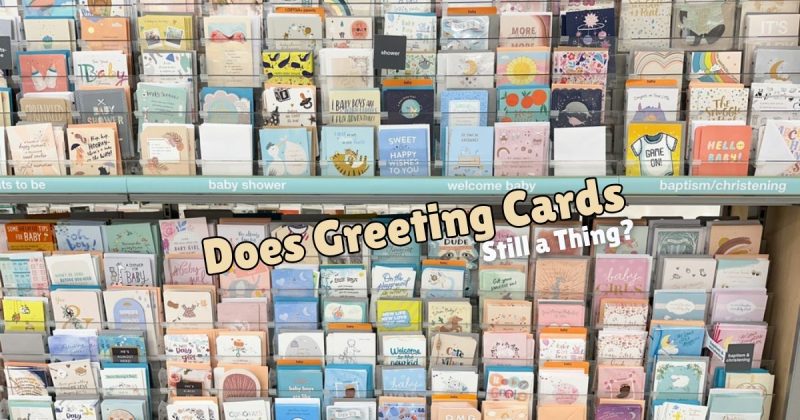
 Greeting cards were once the cornerstone of human connection. They marked birthdays, holidays, weddings, and countless everyday moments, each card carrying a message of care, thoughtfulness, or celebration. For decades, people lined up at stationery stores, carefully selected cards that spoke to their emotions, and scribbled personal notes that would be treasured for years. Cards were not just paper; they were memories, tokens of affection, and bridges across distances.
Yet today, greeting cards feel like a fading tradition. Social media posts, texts, and e-cards have replaced the tactile experience of choosing, writing, and mailing a card. The practice of sending heartfelt messages on paper seems to have lost its place in our fast-paced, digitally connected lives. So why did this change happen? What does the psychology behind card-giving reveal about human emotion? And is there hope that greeting cards will make a comeback for those seeking something meaningful and nostalgic in a world dominated by screens?
In this article, we’ll explore the history of greeting cards, examine why people stopped sending them as frequently, delve into the psychology that makes physical cards so powerful, and offer practical ways to revive this timeless tradition. Along the way, we’ll share stories, research, and actionable advice to help you reconnect with the magic of heartfelt greetings.
1. A Journey Through Time: The History of Greeting Cards
Greeting cards are far from a modern invention. They have roots stretching back centuries, evolving alongside human communication.
-
15th Century Europe: People exchanged handmade paper notes to mark holidays and special occasions. These early cards often included elaborate illustrations or calligraphy, signaling both thoughtfulness and social status.
-
1843 England: Sir Henry Cole introduced the first commercially printed Christmas card, transforming holiday greetings into a mass tradition. Families across England began sending cards annually, turning them into cultural staples.
-
20th Century America: Greeting cards became widely accessible, with Hallmark and American Greetings dominating the market. Cards were used to celebrate everything from births and weddings to simple “thinking of you” messages.
Historically, greeting cards served multiple purposes:
-
Expressing emotion: They allowed people to articulate feelings that might be difficult to say aloud.
-
Creating rituals: Sending and receiving cards became a social habit, marking the passage of time and special events.
-
Connecting across distances: Before phones or the internet, cards were the primary method of keeping relationships alive.
-
Building memories: Many people kept cards as keepsakes, preserving moments in tangible form.
These roles highlight why greeting cards were more than just stationery — they were emotional tools that strengthened bonds and created lasting memories.
2. Why We Stopped Sending Greeting Cards: Psychological Insights
Despite their historical significance, the popularity of greeting cards has declined over the past two decades. Understanding why involves exploring both human psychology and societal shifts.
2.1 Convenience vs. Ritual
One of the primary reasons for the decline is convenience. Digital communication is instant and effortless:
-
Texts, emails, and social media posts allow people to send messages within seconds.
-
Choosing, writing, and mailing a card now requires time and effort, which many feel they don’t have.
While convenience is practical, it often sacrifices the emotional depth and ritual that physical cards provide.
2.2 Digital Communication Feels Immediate
Modern communication favors speed. According to a 2022 survey, 72% of adults under 30 prefer digital communication over physical cards. The immediacy of a text or Instagram message reduces the perceived need for physical cards, even if the sentiment remains.
2.3 Changing Social Norms
Greeting cards were once socially expected; today, they are optional. People no longer feel obligated to send cards, and some even perceive them as outdated. This shift reduces both frequency and the cultural prominence of card-giving.
2.4 Environmental Concerns
Modern awareness of sustainability has influenced behavior. Some people avoid physical cards due to paper waste and prefer digital alternatives, believing they are more eco-friendly.
2.5 Emotional vs. Social Obligation
Research shows that almost 50% of card buyers send greeting cards out of obligation rather than genuine sentiment. When the act feels like a duty rather than heartfelt communication, the emotional impact is diminished — both for sender and recipient.
3. Declining Market Trends and Statistics
The card industry has reflected these behavioral changes:
| Year | Global Greeting Card Market (USD) | Trend |
|---|---|---|
| 2022 | $15.9 billion | Steady but declining |
| 2027 | $13.6 billion (projected) | Continuous contraction |
Sources: PR Newswire
-
Physical card retailers are closing stores due to declining demand.
-
However, niche segments like custom, handcrafted, and online greeting cards are growing.
This trend suggests that while the mass-market physical card is declining, the concept of greeting cards is evolving, not disappearing.
4. The Enduring Psychology of Greeting Cards
Even as trends shift, the emotional impact of greeting cards remains powerful.

4.1 Tangible Cards Trigger Strong Emotions
Physical cards are often more memorable than digital messages:
-
A 2023 UK survey found that 70% of people reported feeling more joy receiving a card than a text or email.
-
The tactile experience, color, and even the smell of paper evoke a multi-sensory emotional response.
4.2 Cards as Keepsakes
People often save cards for decades, preserving them in memory boxes or scrapbooks. Unlike fleeting digital messages, physical cards can be revisited and cherished over time.
4.3 Personalization Matters
Handwritten messages, reflections on shared memories, or inside jokes elevate a card from a generic token to a deeply meaningful keepsake. The effort conveys intentionality — a crucial psychological factor in human connection.
5. Nostalgia and Real-Life Stories
Nothing illustrates the power of greeting cards like personal stories:
-
Rediscovering Family Memories: A woman found her grandmother’s birthday card from 1952 in a drawer. Reading it decades later evoked the same warmth she felt as a child.
-
Reviving Traditions: College students now create annual DIY cards for friends, combining old-school creativity with modern design tools.
-
Long-Distance Connections: Families separated by continents still cherish cards as tangible proof of love, beyond the fleeting nature of WhatsApp messages or emails.
These examples show that while the practice may have declined, the emotional resonance remains timeless.
6. Will Greeting Cards Make a Comeback?
The future is bright — but transformed.
6.1 Growth in Personalized and Niche Cards
Custom, handcrafted, and boutique cards are growing in popularity. People seeking meaningful gestures are willing to invest in tangible, personalized experiences.
6.2 Digital Cards with Emotional Depth
Modern technology enables customized digital cards with photos, voice messages, and animations, combining convenience with sentiment.
6.3 Cultural Shifts and Nostalgia
Some younger generations are reviving card-sending traditions. A UK survey shows more young adults plan to send Christmas cards now than in previous years.
7. Practical Tips for Reviving Greeting Cards Today
To embrace the nostalgia of card-giving and make it meaningful in modern life, consider these steps:
Step 1: Focus on Meaningful Occasions
-
Milestones: birthdays, weddings, graduations
-
Emotional moments: illness, loss, encouragement
-
Achievements: promotions, personal triumphs
Step 2: Personalize Your Message
-
Write about shared memories.
-
Include jokes, photos, or reflections.
-
Avoid generic templates whenever possible.
Step 3: Blend Digital and Physical
-
Send physical cards for meaningful gestures.
-
Use digital cards for convenience, especially for distant friends.
-
Combine methods: a handwritten card with a shared digital photo album.
Step 4: Make It Eco-Friendly
-
Use recycled paper or seed paper cards.
-
Choose locally produced cards to reduce shipping emissions.
-
Encourage sustainability without sacrificing meaning.
Step 5: Create Keepsakes
-
Store cards in albums or memory boxes.
-
Reflect on old cards to rekindle memories and share stories with loved ones.
8. Common Mistakes and How to Avoid Them
-
Sending Cards Out of Obligation: Focus on heartfelt gestures rather than duty.
-
Using Generic Messages: Add personal touches to make your card memorable.
-
Procrastinating: Send cards early, especially around holidays.
-
Ignoring Delivery Timing: Postcards and cards mailed late may arrive after the event.
9. Lessons from the Past for Today
Greeting cards teach us valuable lessons:
-
Intentionality Matters: Thoughtful gestures, no matter how small, create lasting emotional impact.
-
Ritual Builds Connection: The simple act of writing and sending cards strengthens relationships.
-
Tangible Memories Are Priceless: Physical tokens like cards allow us to revisit feelings and events over time.
-
Traditions Can Evolve: Modern tools don’t replace meaning; they provide new ways to express it.
10. Inspiring Your Own Card Tradition
Even if cards feel old-fashioned, they can inspire creativity and emotional connection:
-
Start a “memory card” tradition, where you send a yearly card reflecting on the past year.
-
Encourage friends or family to create a card swap, combining digital and physical cards.
-
Use cards as a mindfulness practice: writing a note forces reflection, gratitude, and presence.
These practices transform card-sending from a mere ritual into a source of joy, connection, and nostalgia.
Conclusion
Greeting cards are more than paper and ink — they are emotional bridges, memory keepers, and symbols of care. While the convenience of digital communication has reduced their prevalence, the desire for meaningful connection persists. Nostalgia reminds us that tangible gestures hold value in a fleeting digital world, and studies show that receiving a physical card creates a stronger, longer-lasting emotional impact than texts or emails.
Rather than fading into obsolescence, greeting cards are evolving. They are finding new life in personalized, handcrafted, and digital forms that honor both tradition and modern convenience. By embracing intention, creativity, and reflection, we can revive the timeless magic of greeting cards — creating moments that are not only remembered but cherished for years to come.
Why We Write This Article:
This article was written to inspire and educate. In a world where digital messages dominate, we wanted to remind readers of the beauty and emotional power of greeting cards — a tradition that connects us across time and distance. By exploring the history, psychology, and evolving trends of card-giving, this piece aims to teach readers about the past while encouraging them to bring meaningful, heartfelt gestures into their own lives today.
Sources: